 EAA Chapter 430
A Little Hangar Flying: Decisions, Decisions!
Open the PDF at page 1 See the whole June 2017 issue
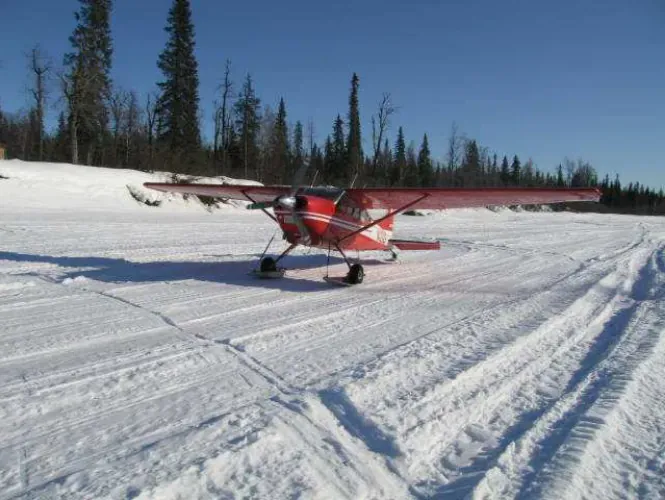
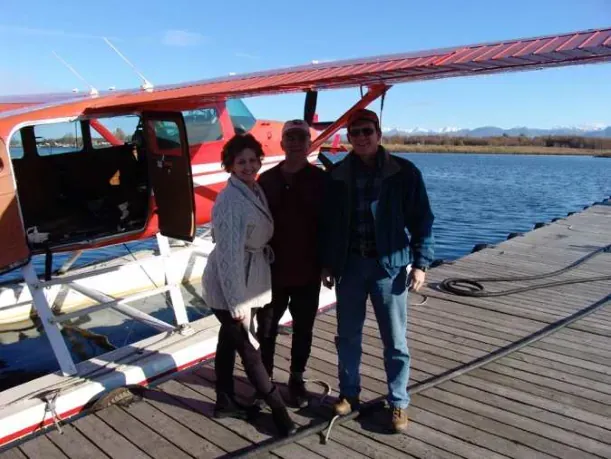
I got to fly to a river strip up in the Alaska Wilderness. Of course everything five minutes out of Anchorage is wilderness. I had never been there before but the mission was to drop some clients off to look at some property, then return and pick them up later that day. It’s more fun to look at property in the winter. (The moosequitos aren’t as bad). This particular river is the Tokasitna River out of the Tokasitna Glacier at the base of Mount McKinley now renamed Mt. Denali. “The Great One”.
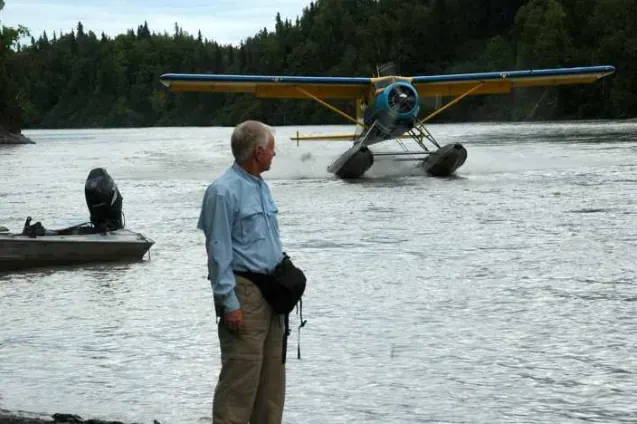
Snow machines pack these strips down all winter so supplies can be brought in by Bush Planes on skis and not sink out of sight upon land after a deep snow. Many times no one is around to give a runway report. You just have to go and make your best decisions.
Decision making is the topic this month. It’s one that has so many variables and the bottom line is, if things turn out good and you don’t bend any metal you get to go again. So if you want to keep going and flying you better make good decisions all the time.
They used to say you can’t teach judgment. Well, those thoughts have changed. They had to address this in Alaska because so many pilots were making so many bad decisions and many clients were getting hurt, killed etc. It it had to be checked/stopped.
The FAA got together with the Old Pilots and picked their brains on what they did to last as long as they had in an environment that is truly unforgiving. We used to say you may survive the crash but if you didn’t file a flight plan no one will come get you. You will die of the environment. Cold, terrain, injuries, bears, etc. One time I was out on Lake Hood and two FAA guys came walking up through knee deep snow with there clip boards. I’m thinking “Dang, I get ramped everywhere I go.” But they were there handing out pamplets on flying safe in Alaska. Cool!!!
The FAA held seminars on survival, and many other seminars on safe flying. They had meetings with Air Taxi owners to incorporate safety as a standard attitude and recognize their Pilots different skill levels and experiences to send the right pilot for the flight. Don’t send a new guy into a small lake pick up a full load or to the canyon to drop off a full load of supplies and pick up the Fat Family of Adults and kids that all weigh over 300 pounds. As the Pilot in Command you have to learn to say NO. Not being able to say No will get you killed or at least scared.
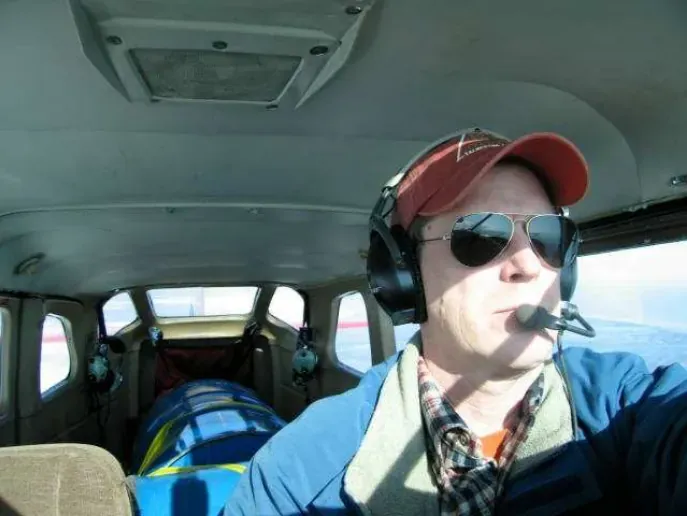
I took some lodge guest into the worst lake in the whole system. Ha! The pilot that came and got them had to ferry one at a time out in the Beaver. He was a high time guy and a really good decision maker. He could get off the lake but the climb out was the bitch. Tall trees on rising terrain. Sounds fun huh? So what the heck, ferry them out one at a time. See what the plane will do and not scare everyone. Including the pilot. That brings up another part of this. 95% of the time the passengers have NO CLUE! They trust the pilot with their lives. It always amazes me. Here they are climbing in a single engine airplane with a guy that looks like he’s 20 years old. Going to a lake in the Alaska wilderness. Talk about sensory overload! So as Pilot in Command of the trip and all that involves that, we as PIC have a tremendous responsibility to make the flight in a single engine float plane or ski plane as safe and uneventful as possible. That goes on everyday flights with just yourself and those someones you don’t know. As an Air Taxi operator you simple can’t make any money if safety isn’t top priority.
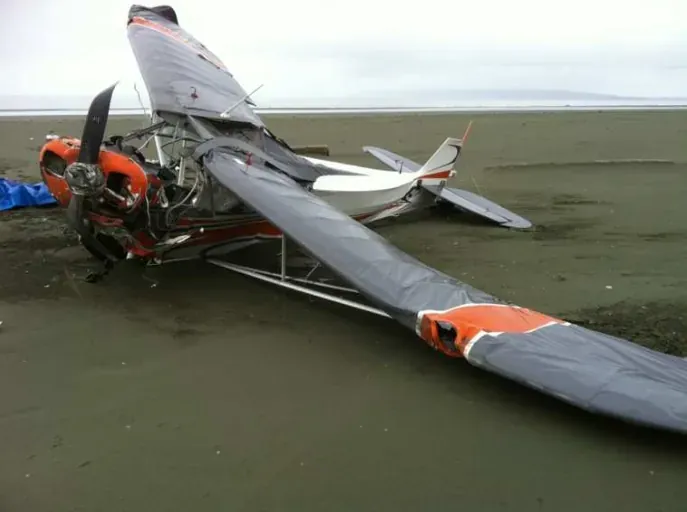
Keep the ball centered in the turn!!! Everyone lived, the airplane went out with the tide. Simple explanation is, low slow turn with no visual references on the large wide flat beach. Slipping with the “ball out” fast stall roll over close to the ground. Simple alternative is to go by the landing site, wings level, look it (the landing area) over and make a normal pattern. He tried to turn around and was looking outside the airplane not realizing the cross control situation while looking intently at the landing site and trying to get back to the final approach corridor. Plus, there are no wind references. If there is a cross wind its very easy to cross control to correct for drift across approach path. Can you imagine? A life, that everyday you wake up you get to go to a new place!
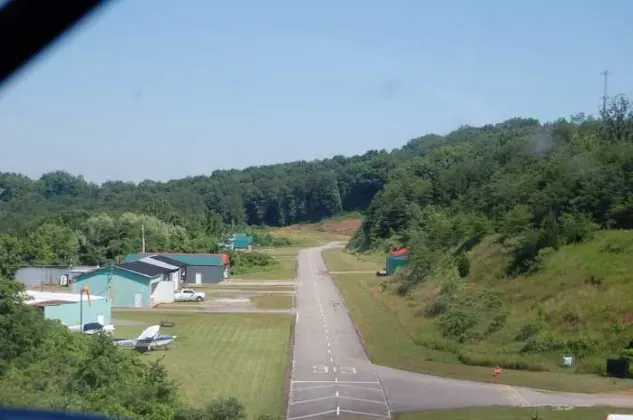
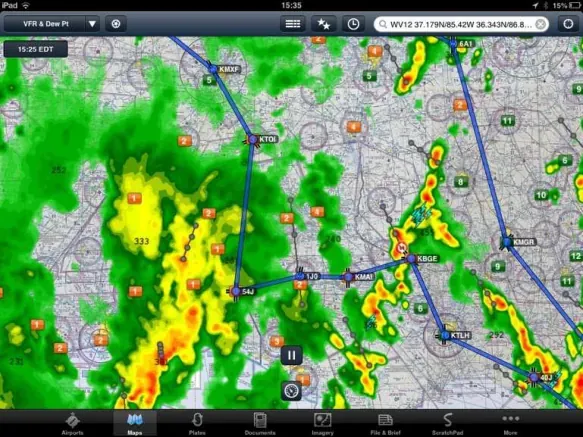
What would you do? Ha ha, I landed in the lower right hand corner at KTLH (Tallahassee, FL) BEFORE it got serious.
I went on a trip the other day with three VIP’s from another country. It was a flight to Spokane, Richland, then home.
Going over was fine. Up over the Cascades, clear weather. Then to Richland, WA. From there we were to go back to Renton, WA. But the mountains were obscured, so I went around thru the Columbia River Gorge down by The Dells. All was fine until we made the turn going up I-5. I got to Kelso and the weather was down into the trees. I was down to about 1200 feet and looking at not being able to stay VFR. Let’s see…end of the day, getting dark, rain, low clouds, Portland is open…just went by there. Rental cars, hotels etc. So I told the guys I was turning around and going to PDX and they could get a rental and head up I-5. I was happy, they were happy. It may not be what we started out to do but I really don’t care. The plan changes constantly and I’m not into night IFR in an airplane that isn’t mine. Especially when I’m not current IFR. I stayed with the airplane and they went to Seattle. I came out the next day about 1300. VFR all the way to Sequim.
Please don’t let mean ol’ Mr. Get-home-itis cause you to make bad decisions.
Fly Safe, Tom Hart always told me.
.
Mike Radford