 EAA Chapter 430
Eclipse 2017!
Open the PDF at page 5 See the whole August 2017 issue
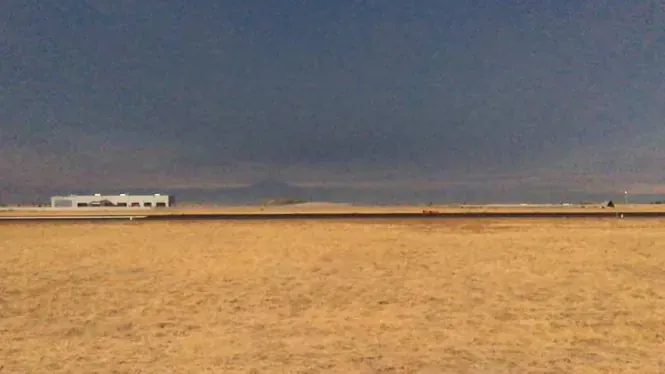
The Great American Eclipse on August 21, 2017 was widely advertised as a once-in-a-lifetime event, and the path of totality crossing our nearest neighbor Oregon made it a natural magnet for EAA 430 aviators. Here we offer the trip reports and photos of chapter members who flew to it, flew through it, and drove to see it from the ground.
From Paul Kuntz:
In May 2017, right after I realized there was going to be a total eclipse, I ran across the web site for the FBO at the Madras OR airport, saying that they were taking reservations for the large number of aircraft expected to fly in for the event. Being right on the centerline of the path of totality, Madras was a prime target for eclipse watchers from all over. I booked a spot, which covered the period from Thursday through Tuesday. I figured it would be OK to fly there on Sunday morning, observe the eclipse on Monday morning, then fly back to Sequim Monday afternoon. A primary objective was to minimize the number of nights camping out by the plane, since Mary is definitely not a camping enthusiast and I need to do what I can to maintain her tolerance of my airplane obsession. During the week leading up to the eclipse, the weather was looking good for the entire area, but the persistent forest fire haze was a bit of a concern. On Wednesday the FBO sent out an email notice with a NOTAM for the arrival procedure and temporary tower, not unlike Oshkosh, but with assigned arrival times. I had put a Sunday arrival in my reservation, so I was assigned an arrival time of 12:12 PM, amongst a constant stream of arrivals every three minutes over a several hour period. I didn’t like that prospect, so I talked to Mary, who agreed that we should move our Madras arrival to Friday.
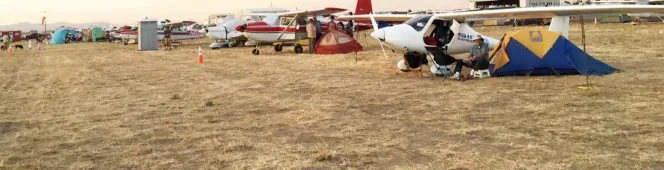
So, we left Sequim at 1130 on Friday for an uneventful flight over the top of a fairly solid undercast that ended at the Columbia River, then clear skies into Madras, between two fire fighting TFR’s — one to the north and one to the west of the airport, about 25 nm away. On arrival the temporary tower was not operating yet, and there were only about twenty aircraft lined up in what was described as “grass” on the web site, but was more accurately “dirt with potholes”.
There was an adequate number of port-a-potties on hand, several food vendors, and a large number of optimistic booths pedaling eclipse t-shirts and assorted memorabilia. There were no showers, but the FBO was very friendly and accommodating, and had their office and restrooms open from 5AM to 10PM every day. They had a beer garden of sorts in one of the two large hangars, where they had local bands playing music in the evenings (not bad, actually). There were a number of shuttle bus routes to and from the town of Madras and into surrounding areas. In addition to people camping by their planes, the airport had places for drive-in tent and RV camping. A huge encampment of tents and RVs was located on a large farm a couple of miles north of the airport, which held probably ten- or twenty-thousand people, and another large encampment on the fairgrounds in town. By then end of the day on Friday, there were still less than fifty aircraft tied down.
On Saturday morning a few more planes began straggling in. Mary and I took the shuttle to town, visited the fairgrounds briefly, walked through the town for a look around, had some lunch and eventually caught the shuttle back to the airport, where we hung out at the beer garden and talked to some of the others who had flown in from California, Oregon and Washington. There was growing vehicle traffic on all the roads in the area, with long lines entering the camping areas. By Saturday evening about 150 planes were on the ground, including a few jets and light twins. The crowd was still pretty sparse at the airport, however, which was disappointing all the food and merchandise vendors.
On Sunday aircraft arrivals began picking up, eventually developing into a steady stream of arrivals very minute or two. We spent about three hours at the Erickson Aircraft Collection, located in a large new hangar at the airport. They have a very nice collection of warbirds, including some rare examples (P-39, P-40, Japanese Oscar, P-38, PV-2, Martin Mauler, Grumman Duck and more). Most are flyable. Late Sunday afternoon they flew a P-38, P-40, Corsair, P-51 and P-47). By Sunday evening the available parking space on the airport (ramp, gravel and dirt) was full of airplanes and tents.
On Monday morning, everyone was up early and hustling to get camping gear packed in the airplanes while setting up chairs and various forms of camera equipment to observe the eclipse event. More airplanes began arriving about 5 AM, including several charter jets that offloaded VIP passengers into a couple of large semi-trailers that appeared to be equipped with air conditioning and refreshments to keep the VIPs cool and contented while us common folk lounged in the dust. The FBO personnel managed to squeeze in twenty or twenty-five aircraft more than their planned max capacity.
created a slight haze that was pretty thick to the west, but it was not evident looking east toward the sun. I wasn’t equipped to get useful pictures of the eclipse itself, but I took an interesting slow motion video with my iPhone of the shadow sweeping in from the west. It was about four or five seconds from the time the shadow hit Mt Jefferson (27 nm west) until we were in totality at the airport.
The ambient light level did not start to dim noticeably until the sun was nearly fully covered perhaps two or three minutes before totality. In the last 30 seconds the air temperature began to drop noticeably. During totality it felt more like dusk than night, with a couple of planets visible. The sight of the sun’s corona was absolutely awe-inspiring, with streams of light extending outward to two or three sun diameters from the black disk where the sun should have been. Pictures just don’t capture the experience of being there in person. After just over two minutes of totality, a bright flash of light at the edge of the black disk brought the light level quickly back to normal, and then it was a somewhat anticlimactic rewind of the preceding hour as the moon moved on to the east. By 1130 it was all over and the scramble to depart began.
The FBO had the departure pretty well organized, and handed out slips of paper on Monday morning prior to the eclipse, with block departure times for 15-plane groups. Our early arrival on Friday got us a slot in the second group, departing at 1200. We were packed and ready to go, so as instructed we pushed the plane back and swung it around to line up between lines of parked aircraft. After the first group began to move out, I started my engine, but then had to sit for five or six minutes until my Rotax oil temperature was warm enough to let me add the nearly full power that it took to break free of the divots in the dirt that my wheels were sitting in. The Cessna pilot next to me who was trying to get out of his parking spot wasn’t happy, but there wasn’t much I could do about it. We taxied across the dirt to the paved taxiway and lined up, then had to sit for about 30 minutes while several VIP jets were cleared to back taxi one by one all the way from the opposite end of the runway, turn around and take off. I guess they all had places to be and things to do, but meanwhile I was worriedly watching my CHTs climb steadily into the yellow. Fortunately as I was about to shut down, the temps began to stabilize and held just short of the red until the parade of Gulfstreams, Lears and Citations concluded. After that, the good folk in the temporary control tower got us on our way quickly. By 3 PM we were on the ground back in Sequim. I’m certainly glad we weren’t part of the miles of bumper to bumper traffic we could see on the roads below us.
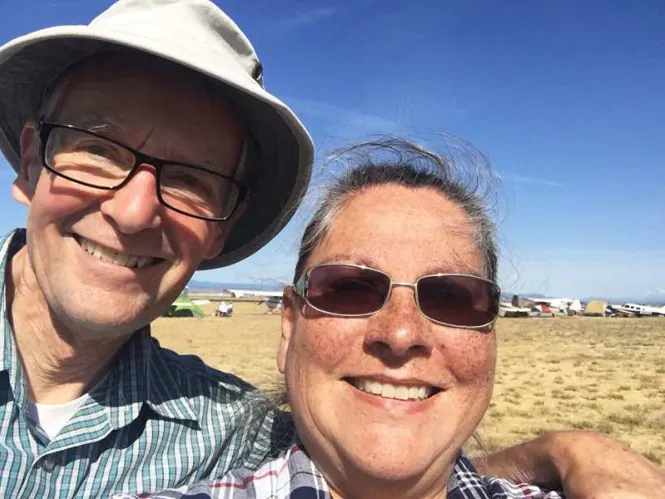
Paul and Mary in Madras Was it worth the trip? Absolutely! In addition to the spectacular eclipse experience, we met a number of very friendly and very interesting people from around the US and a few foreign countries. The small staff at the FBO did a phenomenal job of preparing for, and pulling off, a very significant logistical challenge. Mary is glad that we went, and was a good sport throughout, but after three days and nights of portapotties, bugs, snakes, no showers, sleeping on rough ground with a barely adequate air mattress, and changing clothes in a tent just tall enough to sit up in, she has made it crystal clear that camping is the other once-in-a-lifetime experience that she chalked up on this little adventure.
It’s nice to be home again with some great memories to cherish.
Cheers, Paul From John Meyers:
Trip Report – Flying to and from ECLIPSE 2017 – Oregon Coast The Pacific Northwest weather window was good for Eclipse viewing trip from home (WA59 – Rakes Glen) to vicinity of Newport on the Oregon coast, Monday August 21, 2017. We departed around 8 am. with Chehalis (KCHS) as an intermediate destination. Skies were clear although we looked down upon foggy spots over Puget Sound. Our mission objective was to enjoy the event along the line of “totality” then scoot back home.
We landed KCHS as comfort fuel stop… added 5 gallons… not much but also was a reset for biological needs to plan non-stop into eclipse, then home with no stops. The departure timing was calculated to arrive just north of Newport OR with 10 minutes to spare. Several planes departed KCLS with same idea in mind. Enroute to ONP VOR, we observed lots of traffic visually or on traffic device heading south. I learned a new term for the various tablet or installed traffic displays… now called “fish-finders” (heard on ATC).
We flew at 7500’ and arrived just north of ONP VOR to stake out our piece of the sky … and loiter for a few minutes awaiting the event. There were about 6 airplanes in our proximity as indicated on fish-finder. Now and then we could catch a visual on traffic. Up high, there were contrails indicating some unusual turns by those observers.
From Chehalis, I communicated with SEA Center for traffic advisories. They were really busy and declined others of flight-following soon after we were on frequency. North of ONP VOR, he announced “radar service terminated”… very understandable. We found the alternate Center frequency serving ONP and Salem… and just monitored that busy channel. I had a video and audio recorder running to capture the event with moderate success in the end.
[Editor’s note. Note: See John’s real time cockpit video and radio and cockpit audio on YouTube at:
https://www.youtube.com/watch?v=GVo5eV0RQZI&fe ature=youtu.be Hint: it gets verrry interesting at about 8 min and 30 seconds into the 13 minute video…] During our delay orbits, we could see the onset of shadow… thence totality. We headed eastbound with the shadow … darkness was upon us. There was twilight around the full horizon, the distant volcanic peaks of Hood and Jefferson glowed orange.
On the radio, there were a few exclamations of joy and wonder as the event unfolded, interspersed with the usual ATC functions. Up high, several airliners requested 360’s to share event with passengers. As totality abated, we were treated to the diamond ring effect bathing us in something that looked like light from an arc lamp. Then all was back to normal. Ooh’s and Aah’s were shared with wife and self during the event. As we headed north, someone on frequency thanked ATC for putting on such a fine show !
We joined Dan and Linda Masys for lunch at 0S9 on the way home… we didn’t know they were out there with us, but enjoyed debriefing and sharing the eclipse experience upon return to home turf.
John Meyers From Dan Masys:
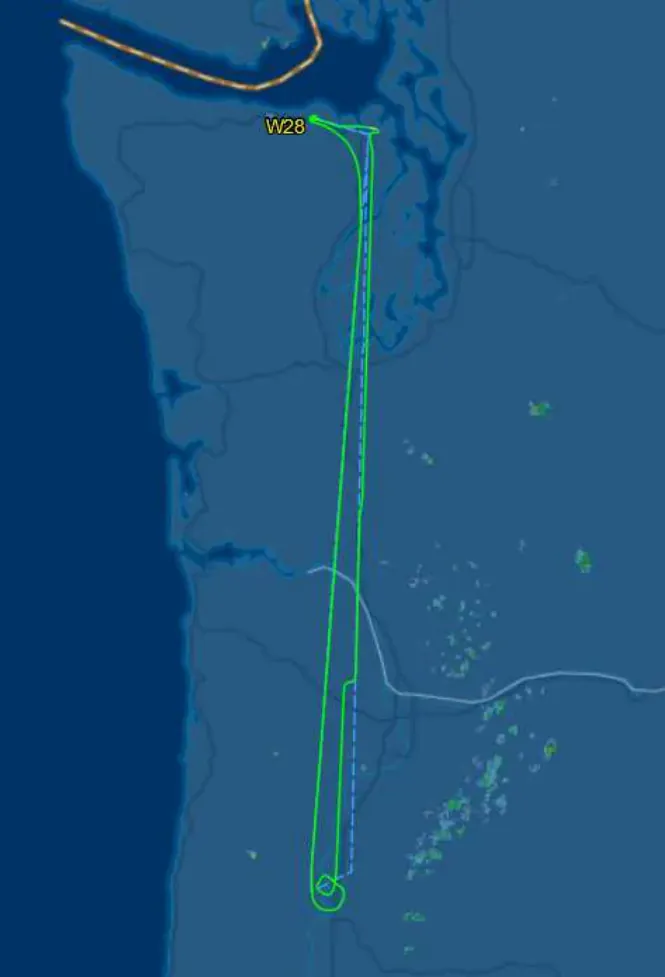
Paul Kuntz’ descriptions at EAA 430 chapter meetings of his experience of the 1979 solar eclipse made it seem like a not-to-be missed opportunity! Since my wife Linda and I have always taken time to view meteor showers, unusual conjunctions of planets and the moon, and other cosmic entertainment, we put it on the calendar for August 21 many months ago. At the same time, the prospect of clogged roads and price gouging locals in the path of totality made a surface trip unappealing, so we decided to just wait till the appointed day and see if the weather would be flyable. Flyable it was, and we planned and flew a course almost due south, crossing the centerline of totality just a few miles south of Salem, OR.
The online flight planner predicted an hour and 23 minutes enroute on a line that would put us about ten miles beyond the eclipse centerline, and our plan was to turn back to the northeast to put the moon-on-sun at 45 degrees to the right of our course line, for Linda to get the best photos. (Like everyone else, we found getting good eclipse photos, especially from a moving aircraft, is just about impossible without special lenses and filters, so we just have mental pictures of the most spectacular sun views.) We lifted off from W28 at 8:50 a.m. and headed south.
Flight track of N104LD to eclipse centerline and back, from Flightaware.com We had unexpected tailwinds at 11,500 and were cruising with a groundspeed of just over 200 mph, which was too fast, so we pulled the throttle back to lengthen the time enroute. (I can’t believe I just wrote that; first time ever wanting to go slow on a cross country.)
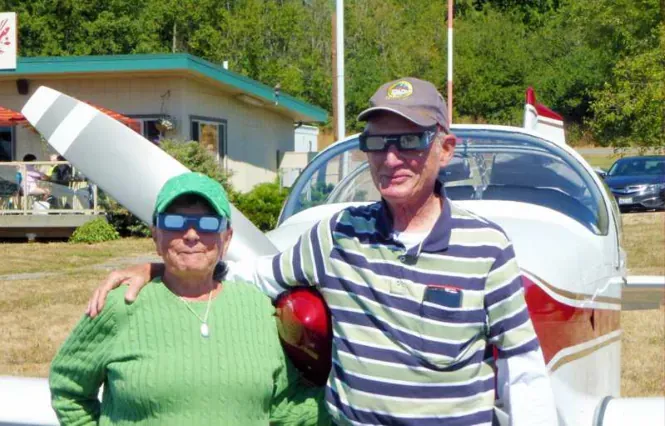
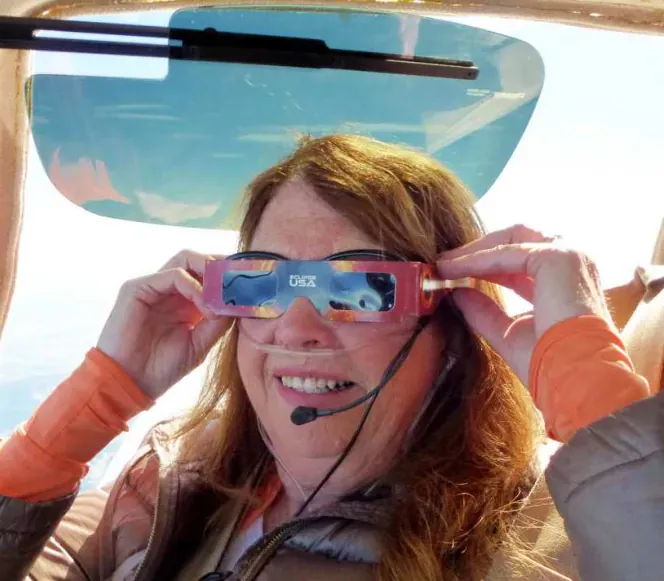
Linda dons the eclipse glasses to check progress of the moon’s shadow across the sun. Right on schedule, at 9:05 the moon began to eat an ever larger crescent out of the sun. We expected it to get progressively darker over the next hour, but as everybody else has observed, daylight persisted till the sun was more than 95% covered, and it was only in the last 2-3 minutes that dusk became gray and then became night time. Both the onset of totality and its end seemed shockingly fast. Being on the centerline we got a full 2 minutes and 1 second of complete coverage of the sun, but the experience seemed like 30 seconds!
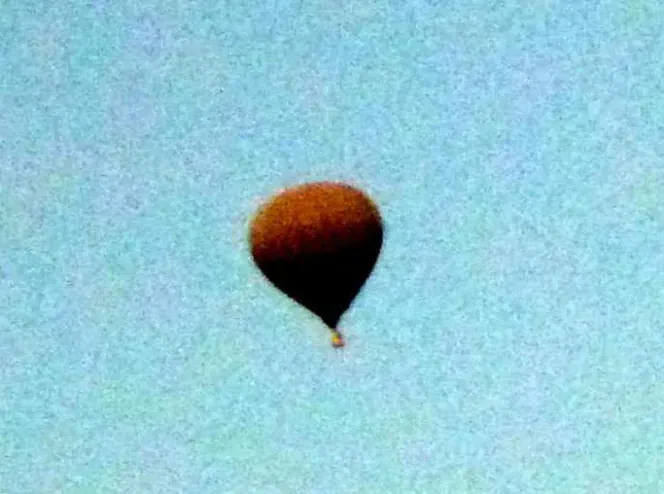
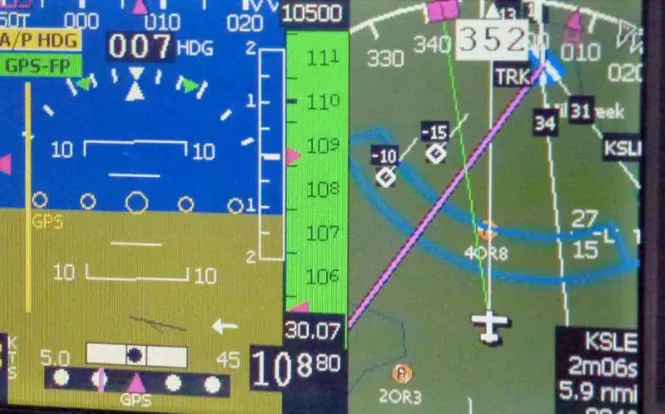
Within ten miles of the centerline of totality, we also encountered a swarm of traffic! It was good to have ADS-B out and traffic display from ADS-B in, because there were targets to dodge at all IFR and VFR altitudes, including a hot air balloon at 10,500 feet that became completely invisible when darkness came. Yikes!
Balloon on its way to becoming invisible at 10,500 feet.
I had thought that by being up at oxygen altitudes we might have some room to spare, but there were relatively high speed targets moving in all directions.
Descending to avoid traffic conflicts near Salem, and picking up more as we descended… I am also glad we were not listening to the Center frequency as John Meyers was, because if I heard the transmission “jumpers away!” in the darkness of totality over the Willamette valley, the pucker factor would have gone up quite a bit!
Viewing the sun at totality defies being captured on film, since the eclipse viewer is being plunged into a surreal environment that envelopes one completely, and the intensity of the black disc surrounded by a thin, brilliant white rim is both too dark and too bright for cameras to register correctly. That makes the in-person experience all the more memorable.
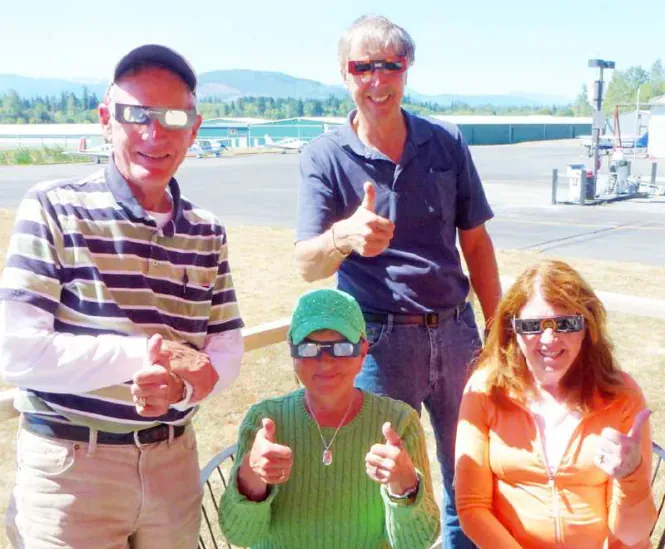
Our flight back to the northern Olypen was uneventful, and on landing at Jefferson County we were delighted to meet up with fellow eclipse flyers John and Allirie Meyers returning in their RV-6A. Comparing notes from our flight experiences that morning, it was clearly thumbs up all around.
Dan Masys Andy Sallee From Andy Sallee, we got a short note saying simply that he flew through the eclipse at 37,000 feet. On a little further investigation, what Andy meant was that he and wife Jane were on the special Alaska Airlines flight that departed Portland early Monday and headed out over the Pacific to view the eclipse at ‘first touchdown’, when the angle of the sun was low. As far as we know, the Sallee’s were the only ones from Sequim to get liquor-filled boxed chocolates and a visit to a donut wall as part of their eclipse experience.
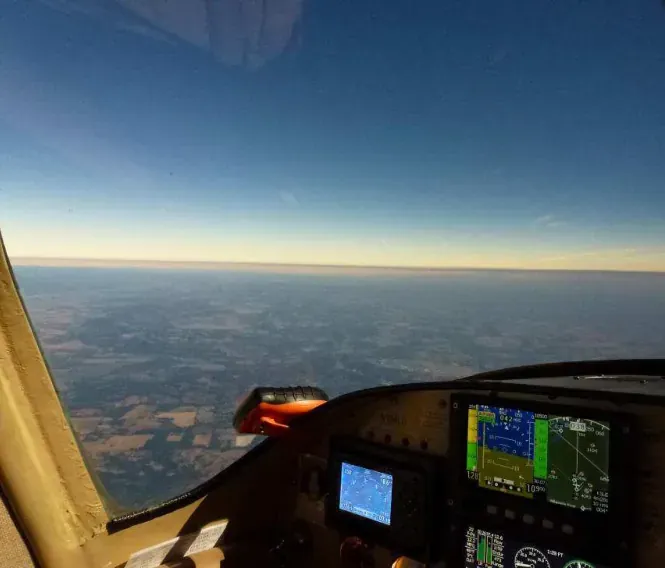
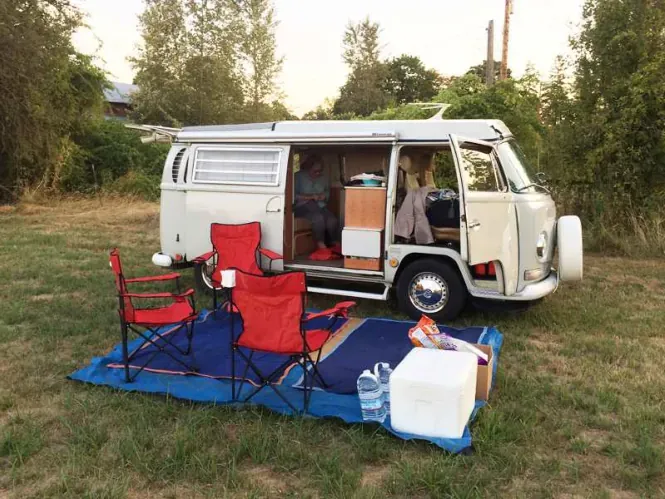
The unique night sky with distant sunshine at totality, from 37,000 feet. John Cuny represented the ground troops of EAA 430. On behalf of the Flower Power generation, he and wife Sherl drove to camp on the ranch of friends in Amity, Oregon in their VW microbus. John writes:
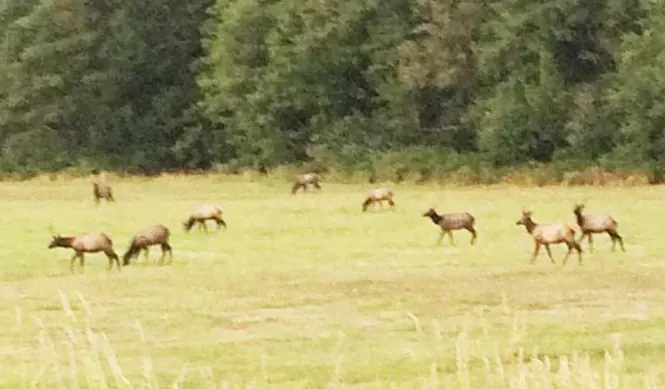
The trip was great. We had a perfect spot. Total eclipse! Wow, what a sight! I couldn’t get any good photos of the eclipse but I’m sure you have seen many. We did have a great time and as a topper we got to see this magnificent herd of elk on the way home.
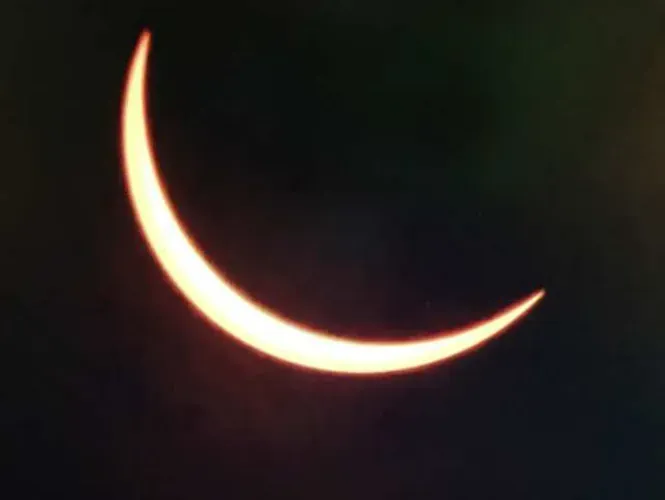
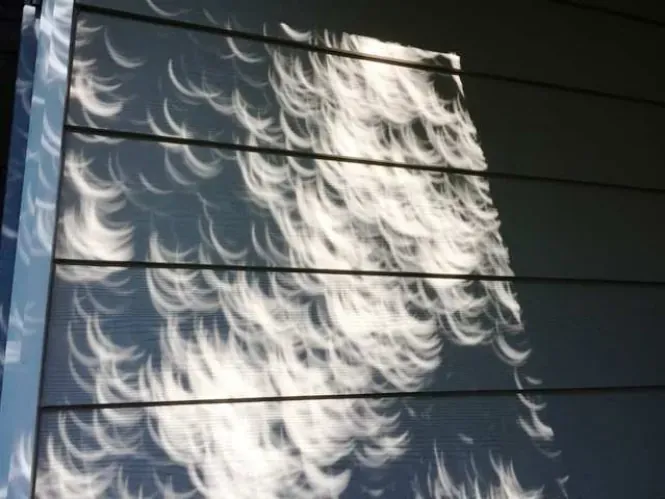
The astute reader will note that no pictures of the actual eclipse, whether partial or total, were submitted by our “totality goers”. For those we are indebted to Ken Brown, who stayed home in Sequim and captured these:
Thanks to all who contributed their words and photos for this fun, rare astronomical event!
More photos
 (opens a larger view)
 (opens a larger view)
 (opens a larger view)
 (opens a larger view)
 (opens a larger view)
 (opens a larger view)
 (opens a larger view)
 (opens a larger view)
 (opens a larger view)
 (opens a larger view)
 (opens a larger view)
 (opens a larger view)
 (opens a larger view)
 (opens a larger view)
 (opens a larger view)
 (opens a larger view)
 (opens a larger view)
 (opens a larger view)