 EAA Chapter 430
Ducks!
Open the PDF at page 1 See the whole February 2018 issue
Well, it’s time for the good old’ newsletter. Sure has been an exciting month for a lot of folks. Some more exciting than others. We have a big expo happening this weekend. The Puyallup Expo. Down near Thun Field, that’s where you would fly into if you were to fly. I hope the weather cooperates. I went last year in the Bill Sheppard’s Aero 145. Now that Bill got his medical back I guess I’ll have to fly my airplane down. Just so you know the curtesy car from the airport might be full and is at times difficult to get a ride. But you could get a UBER.
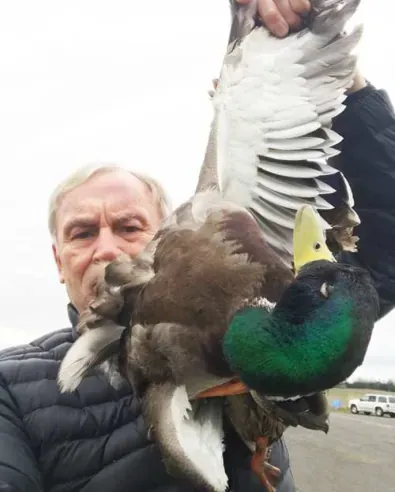
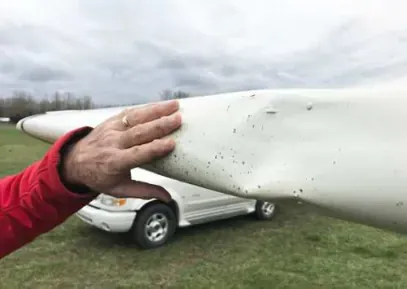
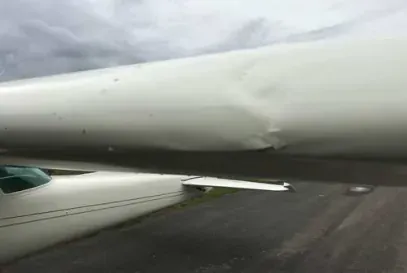
This month I wanted to talk about airborne hazards. DUCKS, GEESE, EAGLES AND HAWKS to name a few. One of our local based airplanes got wacked by a pair of mallards the other day. Everyone was alright but the Ducks ahhhh…the airplane suffered substantial damage to both wing leading edges.
It’s a good thing it happened as they were over the runway and slowed up for landing.
All the fields are soaked and have standing water in them so be careful.
I’ve hit my share of birds. I’ve hit ducks on takeoff before. Hit a Swan at night in the 747 descending into Anchorage. I guess I’ve hit other birds on take-off that hit the windows and glanced off. Reeve had DC-3’s that got wacked thru the cockpit window. Hit the Captain in the face. Reeve had a YS-11 get hit by seagulls and hit short of the runway and knocked the gear completely off the airplane.
So, anyone is able to get hit. Watch out.
Look for those ducks adjacent to the runways. If you can’t land or think it might be a hazard, land on the other runway or go somewhere else. Just a few ideas. You never know which way a duck is going to go when it’s on the ground and is getting airborne. I hit mine when they were landing and I was taking off on floats. I was slow and so were the ducks. I ducked also. The bird didn’t damage the airplane but it sure messed up the duck. It hit the prop and bounced off the windscreen.
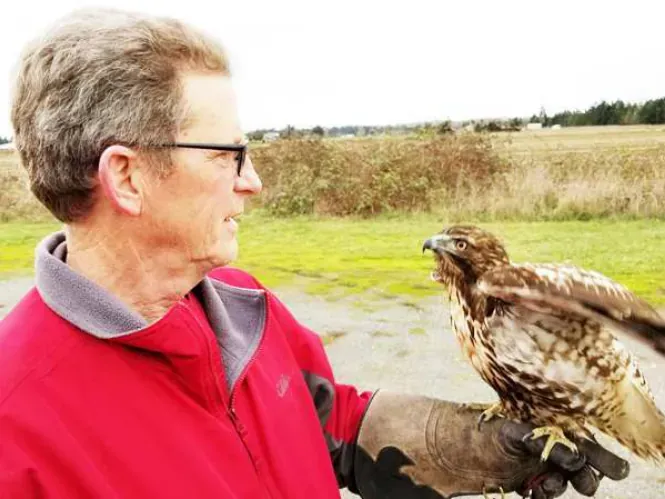
Now let’s talk a little about Eagles. They think they own the sky. Seriously! Eagles DO NOT MOVE! They stay the course. We have Eagles around here also and they tend to go by my cockpit window as a surprise some of the time and sometimes I see them and maneuver to avoid.
Ducks, seagulls, and crows will 95% of the time dive. Do Not try to avoid them. Especially on landing or departure. You are too close to the ground and any evasive maneuver close to the ground is not good in my experience. Do what you want but this advice is one of those that’s sound. You want to try something else…be my guest. Remember those Reeve Pilots I talked about previously. The First Officer pushed on the yoke. The Captain was flying. Not cool… Airplane hit short of the runway. The airplane slid to the other end of the runway and almost went into the water at the other end. The gear bounced so high and far it landed next to the terminal’s front door. Ya, don’t push the nose over close to the ground. Nothing good can happen.
Flocks of starling have brought down too many airliners. And Canada Geese. That’s what Sulley hit. An Electra hit starlings in the same area many years ago. Crashed and killed everyone. So, since man has climbed in a plane for flight into the bird’s domain we have been hitting birds. If you fly in “The Migratory Fly Ways” during Spring and Fall heed the migratory water fowl warnings on the ATIS, and watch for our feathered friends airborne. Some guys I flew with at Polar hit 26 Snow Geese on let down into JFK. It was at 9000 feet in the dark of night. Yes, Geese fly at night because it’s cool. Temperature wise. Not because they like to see the city lights. They don’t have transponders either. Many times, ATC controllers on the radar can pick them out. In Anchorage, Alaska the ATC Controllers would give us “weak” targets all the time during the migratory season. It would be huge flocks of geese. Sometimes we could pick them out; most of the time not.
On another note:
If you aren’t already doing it you might want to review winter operating procedures in the Pilot Hand Book for your particular aircraft.
Some things to think about:
-
Pre-heat the engine. It pays dividends later on. 40 F degrees and below.
Think about the takeoff stopping distance when the runway is cluttered with slush and snow.
Use carb heat please. Every engine is susceptible to carb ice. Not just a little bit of carb heat…pull the knob out all the way. I hear it to this day. Oh, it makes the engine run rough. Ha that the ice in the carb melting. It will go away really quick. It’s either that or get out the emergency landing checklist. Your choice.
Get the ice completely off your wings and flight control surfaces before Take-off. It’s an FAR requirement. If you don’t you’re a test pilot.
-
Clear off the snow from the windows.
Be aware that if you take off in a little water/slush and go up in altitude the spray will freeze on the gear and you may have possible locked brakes upon landing.
-
If you land on a runway with deep snow the airplane may flip over. Happens every year.
-
Stopping distances on icy runways is not very impressive.
There’s more but the idea is to get you to think about winter flying.
Get out there and enjoy the better performance and smooth clear air and go for a site see around the OP. Happy Safe Flying!…
Mike Radford
More photos
 (opens a larger view)
 (opens a larger view)
 (opens a larger view)