 EAA Chapter 430
Getting to Know You: Bill Shepherd
Open the PDF at page 3 See the whole January 2020 issue
 (opens a larger view)
Bill’s exposure to the aviation world began very early in his life. During WW2, his dad trained pilots on the link trainer (an early simulator) in the Army Air Corps. After the war, the family moved from Mississippi, where Bill was born, to New Orleans where his dad worked for an airline, continuing to train pilots on the link trainer. When his dad worked the night shift, Bill went with him and at age 7, would fly the link trainer. When he was 13, he became a member of the Civil Air Patrol, and in 1953, at age 16, he was helping with maintenance of the planes in the Rebel Flying Club, saving his money so he could take flying lessons. His first lessons were in a J-3 Cub, including some aerobatics. After making his first four landings, his instructor told him he was ready to solo and got out of the plane. After his 5th landing, he was told to get his log book so the instructor could record his landings, which now included his solo flight.
Rather than be drafted after graduating from high school, he joined the Marine Corps so he could be part of the aviation program. He got his AP license and was a mechanic in the Helicopter Squadron on 3 different air craft carriers. After three years in the Marines, he attended LSU for a year until he realized he couldn’t afford to finish. He was in the Marine Reserves for 17 years. He went to work for Chevron, flying sea planes in the swamps of New Orleans, the copilot on an amphibious Grumman Goose and Mallard, flying back and forth in the ditches.
He left Chevron in 1966 and went to work for Delta Airlines for 31 years, 7 of those years flying in the Asia Pacific. He flew the DC-6, DC-7 and Convair transport planes before the airlines started flying jets. He retired as a Captain and he and his wife, Dot, bought land in Diamond Point in 1988 and moved there full-time in 1993.
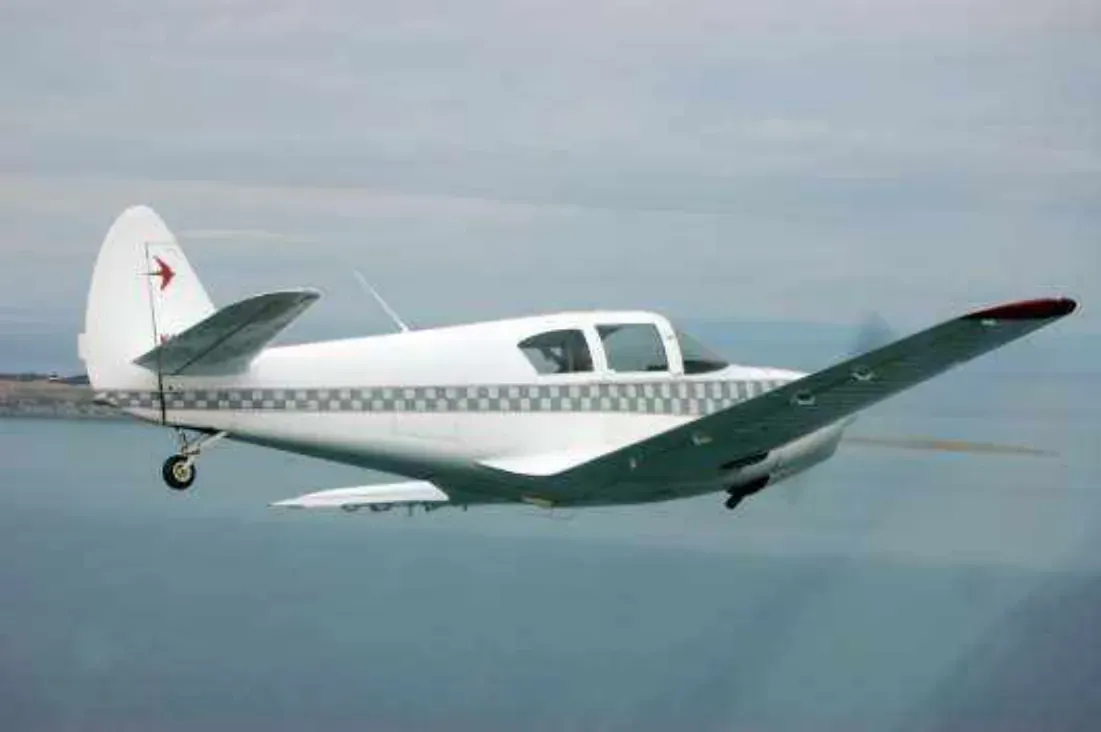
The first airplane he owned was a Swift, which he still flies. In 1970 he became a charter member (#24 ) of the IAC (International Aerobatic Club) which became a division of EAA. He was president of the New Orleans EAA Chapter 261 in 1963 and subsequently served in many different positions in that organization.
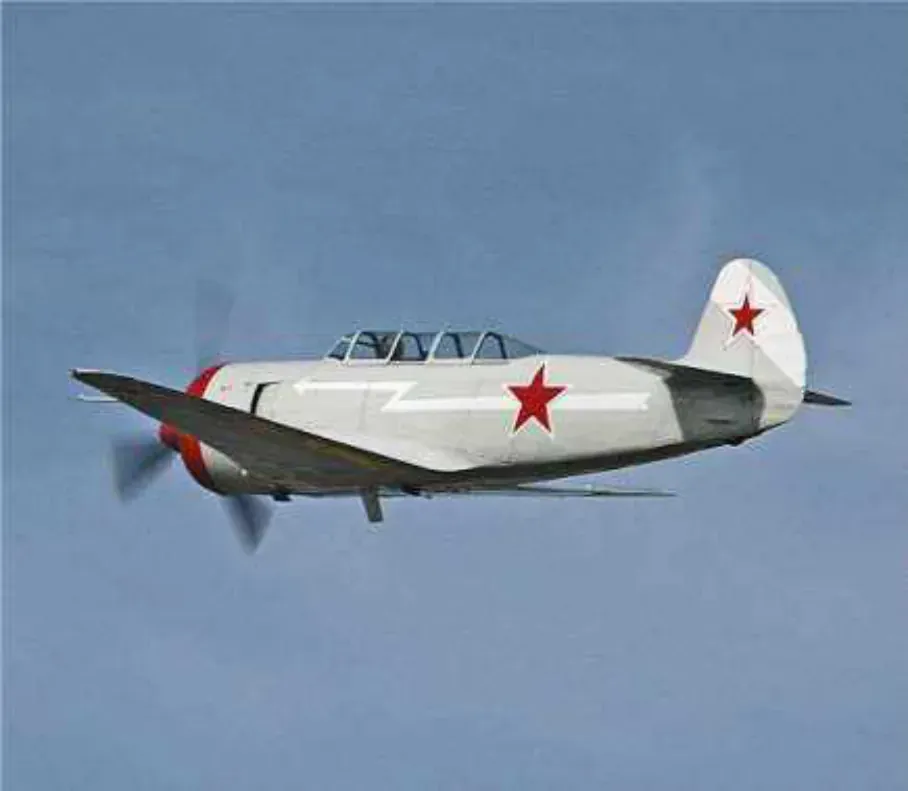
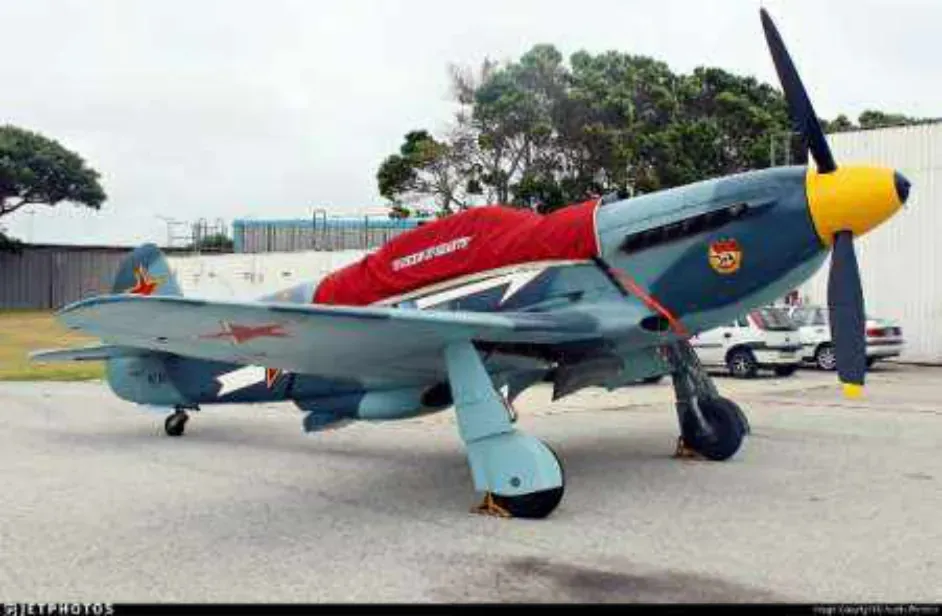
He also owns an Aero 45, a twin engine, 5-seat, low-wing tail dragger, built in the Czech Republic. He owned a Yak-11 which he flew for ten years, including 84 aerobatic air shows.. He presently owns a Yak-3, a Russian top fighter with a US-developed Allison V-12 engine. Built in Russia, it was shipped via New Zealand, Australia and South Africa, to Diamond Point. He is in the process of putting it all back together and moving it to a hangar at Fairchild in order to take his first flight from there.
Bill and his wife, Dot, have two daughters who both soloed at age 16. His youngest daughter took her lessons and soloed in a Swift. Their son was the victim of a fatal private airplane crash at age 31. He and Dot have two grandsons and one granddaughter.
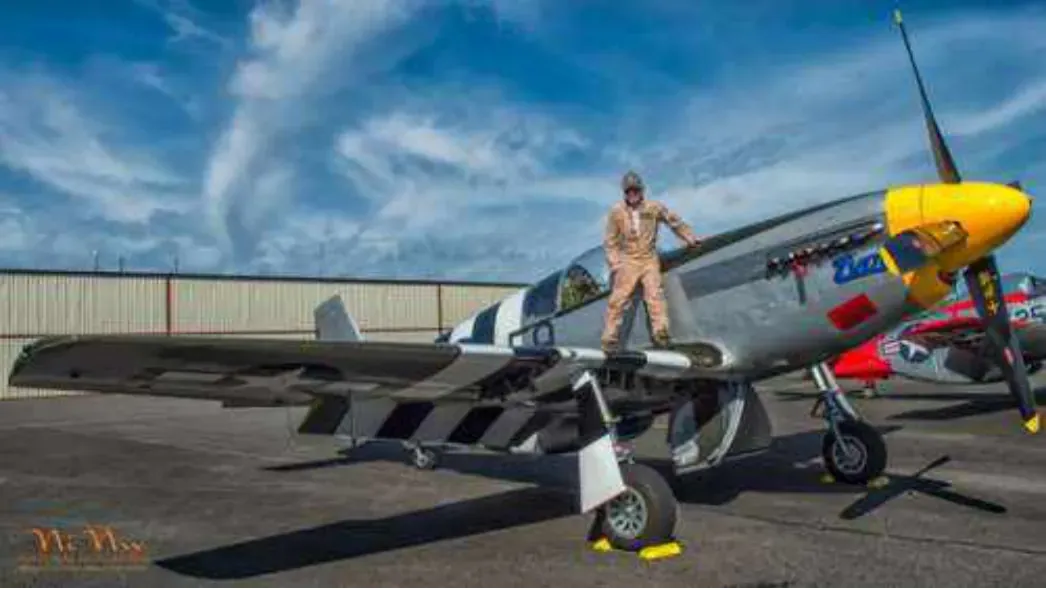
With 32,000 hours of flight time, Bill has flown 126 different types of planes, test flown planes and rebuilt antique and classic planes. He has been to all but two Oshkosh EAA AirVentures, Sun N Fun Fly-in’s, and the Tennessee and Fort Worth Swift Fly-in’s. For five years he did formation flying in a Mustang P-51 with the Historic Flight Foundation, an aviation museum located in Mukilteo. He was the first instructor at the Aero Museum in Port Townsend.
Bill’s words of wisdom: “If you don’t have a passion for flying, try something else.”