 EAA Chapter 430
Airplanes R Us: Airplanes I Have Known (Transport Category), Part 2
Open the PDF at page 3 See the whole May 2020 issue
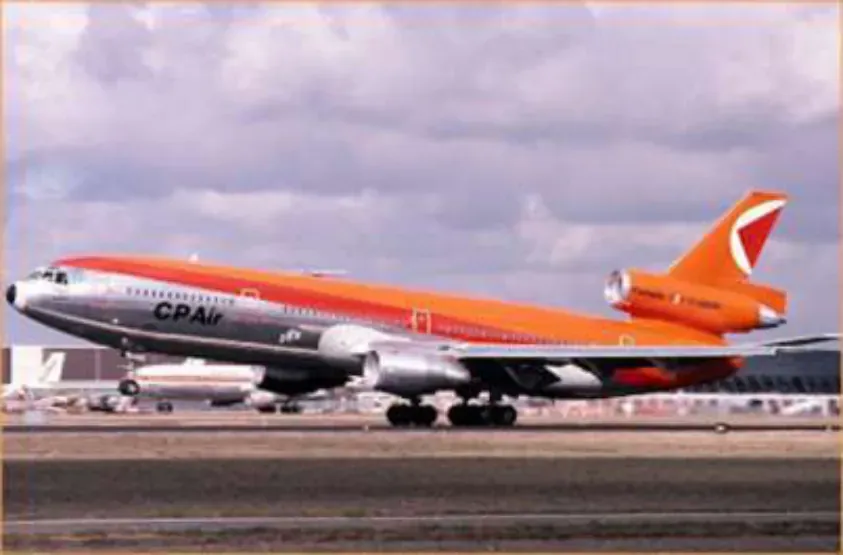
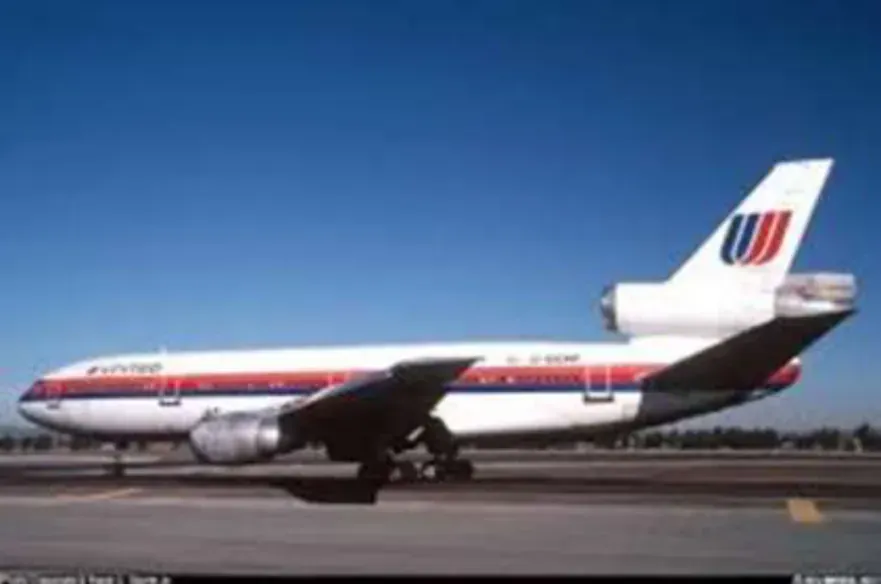
In 1983, my employer, United Airlines, was on the cusp of becoming an international air carrier. This came with new routes awarded to UAL which included SEA to Tokyo and Hong Kong. In particular, the SEA-HKG route was a long-range deal which required a long-range plane. Nothing like this was in United’s inventory so a leasing plan was cooked-up to acquire three CP-Air (Canadian Pacific) Douglas DC-10-30’s to cover that route.
I was lucky enough to help staff the flight crew as an International Relief Pilot (IRP) for this mission. The IRP was really a flight engineer position with pilot seat privileges during cruise flight. This enabled crew relief intervals which would comply with regulations and contracts which existed in the era. Total flight deck compliment was four.
The DC-10-30 was heavier and more range-capable than the stock dash-10 version but still needed a belly tank addition to make the SEA-HKG route workable as non-stop westbound.
The Dash-30 version was easy to spot on the ground because it had an extra landing gear. This was a centerline unit which helped spread the extra weight of the version.
The CP airplanes were repainted in UAL livery. Cabin décor was United-tized to some extent. For the flight crew, a crew-rest area was fabricated in the door 2 RT entry bay. This rig was a folding cot which allowed one to get horizontal. Privacy was granted by a pull-curtain. This was a new type of flying for most of us as staff. It all seemed new and exciting, especially the destination. Personally I had little knowledge of Asia and the Pacific so my learning curve was big.
For some reason, the CP airplanes retained their Canadian registry and “numbers” (letters actually, like C-GFPL). This required some extra paperwork for us… US pilots flying a foreign-registered plane. So, I possess a Canadian crew “license” pertaining to these specific planes. That won’t buy much in the current era.
The airport at Hong Kong was very interesting from a piloting standpoint. Old Kai Tak airport was built on landfill… started in 1925 according to history books. By the time I flew there (1983-84), its one runway and limited terminal area were somewhat overburdened. (Eventually HKG built a new airport at a different location which opened in Summer 1998). The runway was “13-31.” The “31-direction” was ILS straight in, over water … easy enough.
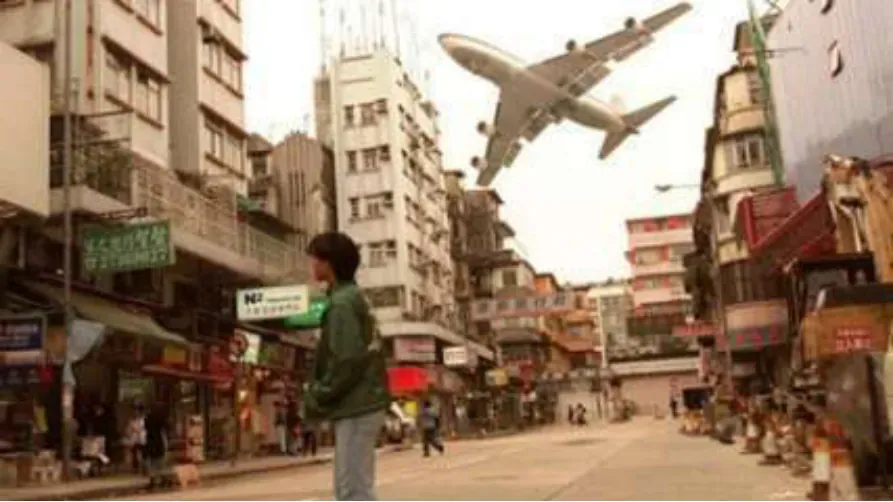
As for the “13-direction,” that was more complicated. Owing to the prickly mountain terrain that defined Hong Kong, the ILS approach was offset by 40 degrees or so. Simply put, the ILS ended at about 600’ over a high rise neighborhood and required an aggressive right turn to align for the runway. Every plane would present its belly to the neighborhood as seen in this photo.
Later in my career, I would get to re-visit HKG (both airports, old & new) as Captain on B-747-400 trips from SFO or LAX.