 EAA Chapter 430
RV-12 Project Update
Open the PDF at page 3 See the whole June 2020 issue
My wife gave me an anniversary card that read, “They say love is blind. But marriage… now there’s an eye opener! But on the inside the card said, “And I still like what I see.” That seems an apt description for my RV-12 project.
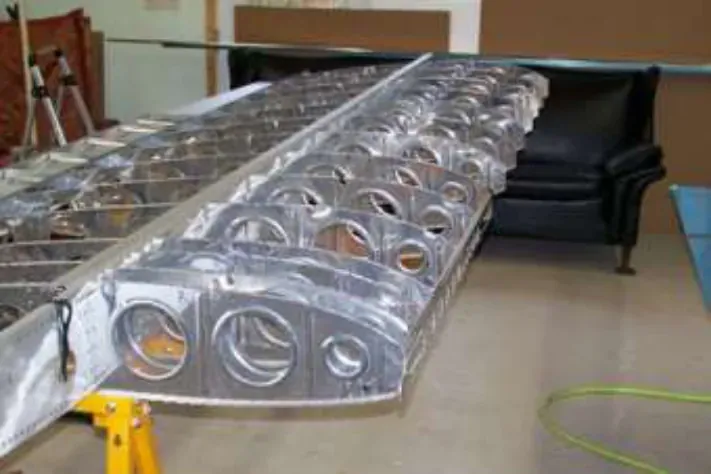
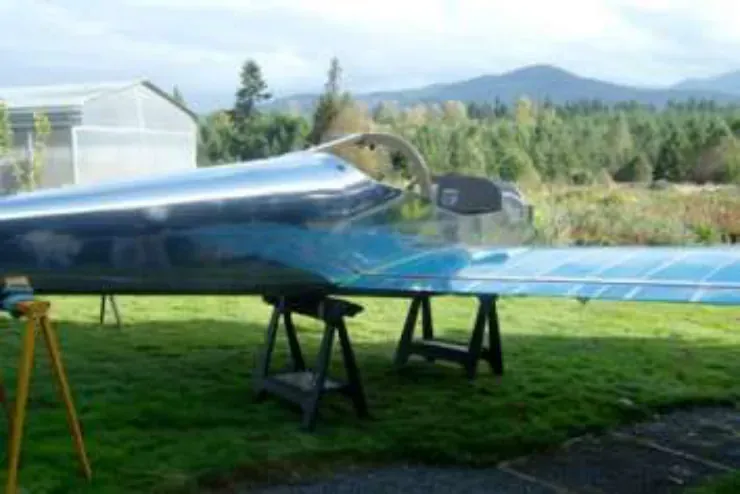
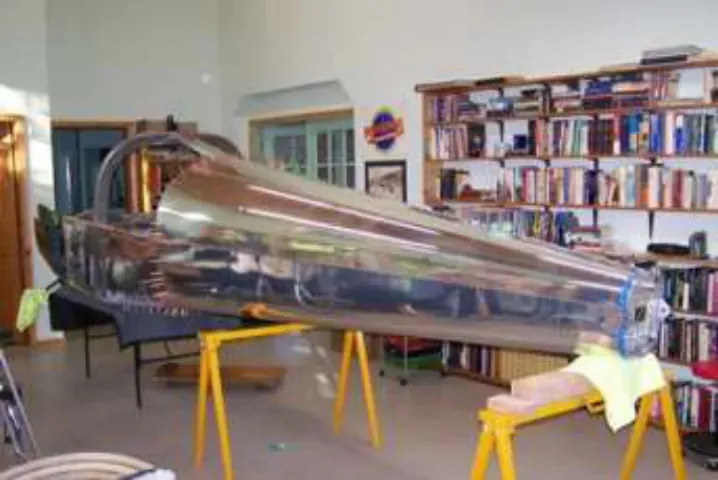
My love affair with Van’s RV-12 began with a demo ride in late 2011 down in Aurora, OR. The eye opener began in January of 2012 with assembly of empennage kit. For the next five years building proceeded at a reasonable pace since I was in retirement. Then I got called back to work and that has slowed progress considerably. All work thus far has been accomplished at our home – actually in our house, in what we call “The Orville-Wilbur Room.” Very convenient, and impossible to ignore.
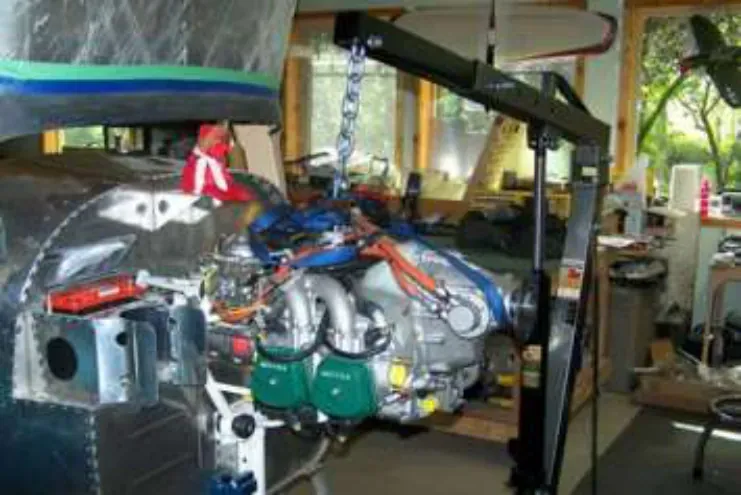
This is an all-metal side-by-side tricycle gear Light Sport powered by the hundred-horse Rotax 912 engine.
Vans has done an excellent job with the kit assembly manual, with clear and concise instructions. Most of the sheet metal work is joined with pulled rivets – the idea being that a single person can do the construction solo, which is not possible with driven rivets which need one person with a rivet gun and another with a bucking bar. However, I soon learned that a second set of eyes and hands are often necessary to get the job done accurately and safely. Vans has an excellent and easily accessible support program to help with any problems encountered so far.
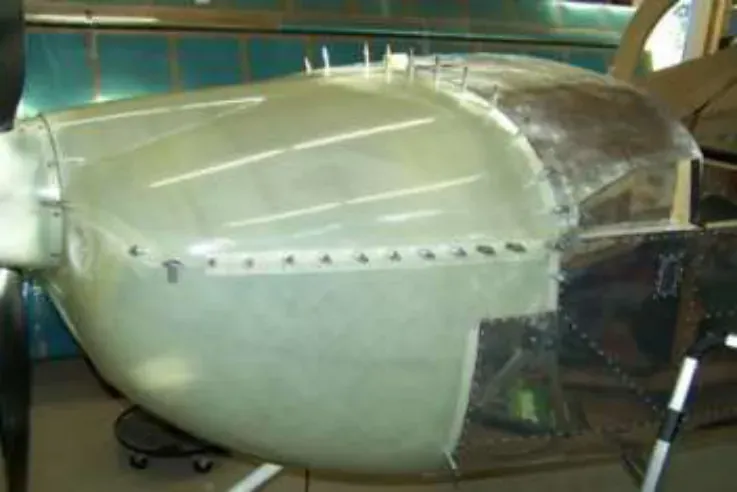
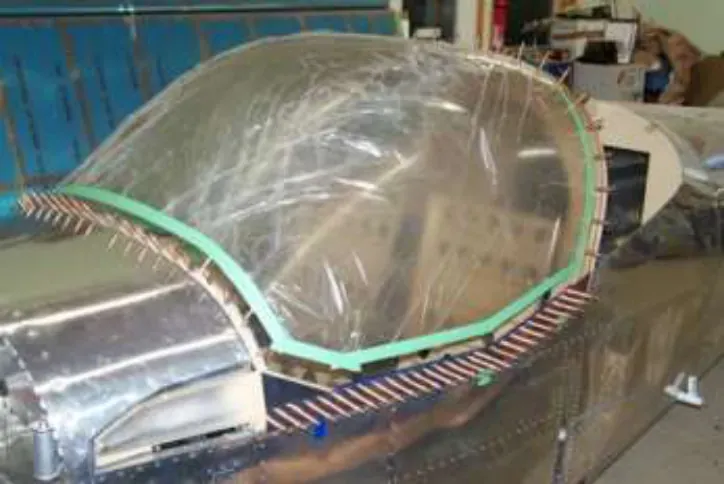
I soon found that if the parts do not line up precisely, then I have misread the manual. Accurate fitting prior to riveting saves a lot of headaches later on. The sheet metal work has been a true joy – so long as enough clecos are handy. However, the fiberglass work is rather tedious, probably because I don’t have a lot of experience with the stuff. But eventually the cowling and canopy began to fit, after multiple trial and error efforts with lots of trimming and sanding. Hydraulics and electrical are pretty straight forward and all the necessary parts are easily identified. Following the assembly manual step by step is essential. Pretty much everything, except the fluids and the paint are supplied in the various sub kits, but there is always the need for some new tool or device to complete the job. Sometimes the hardest work has been fitting my aging carcass into some rather confined spaces.
Now comes the avionics, which is my weakest area of training and experience. Everything is pretty much installed, but I have yet to hook up the power. I have these nightmares of letting out the smoke and having to reinstall those funny little boxes. I know I need some help here, but the COVID-19 thing has made contact impossible. I am definitely open to advice on removing d-sub pins and wiring the ELT.
Once all the final details are complete it will be time to move the project into a real hangar at the airport for engine startup and systems checks. My wife already has plans for the Orville-Wilbur Room, so I best get busy.
I do want to express my appreciation to Dan and Linda Masys and to Trent and Donna Sommer who both have built RV-12s and thus provided lots of info and assistance. I miss them all. And appreciation also goes to Harry Cook, Tech Advisor, for inspection and advice. (Continued on next page)