 EAA Chapter 430
Presentation of Wright Brothers Master Pilot to Ray Ballantyne
Open the PDF at page 5 See the whole January 2021 issue
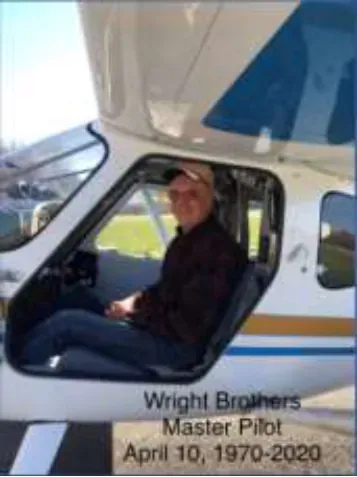
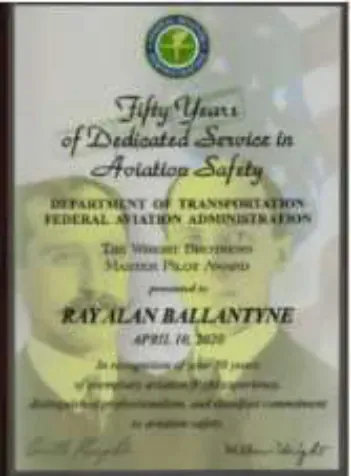
Lisa Ballantyne presented the Wright Brothers Master Pilot award to her husband, Ray Alan Ballantyne at our EAA Gathering on Saturday, December 26, 2020. The Wright Brothers Master Pilot Award is the most prestigious award the FAA issues to pilots that are certified under FAR Part 61. This award is named after the Wright Brothers. The world over recognizes Or-ville and Wilbur Wright as the first persons to successfully fly a heavier than air, controllable powered aircraft. To be eligible for the Wright Brothers Master Pilot Award, a pilot must meet the following criteria:
- The effective start date for the 50 years is the date of the nominee’s first solo flight.
- Be a U.S. Citizen.
- Hold a U.S. CAA or FAA pilot certificate
- Have 50 or more years of flying experience; Up to 20 of the required years may be as a U.S. Military pilot. The 50 years may be computed consecutively or non-consecutively.
- And the nominee cannot have had an airman certificate revoked.
The following is the EAA 430 presentation made by Lisa:
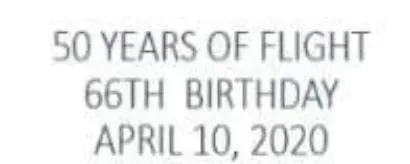
Ray achieved this milestone of having flown for 50 years on his 66th birthday in April of this year which made him the youngest Master Pilot to receive this award.
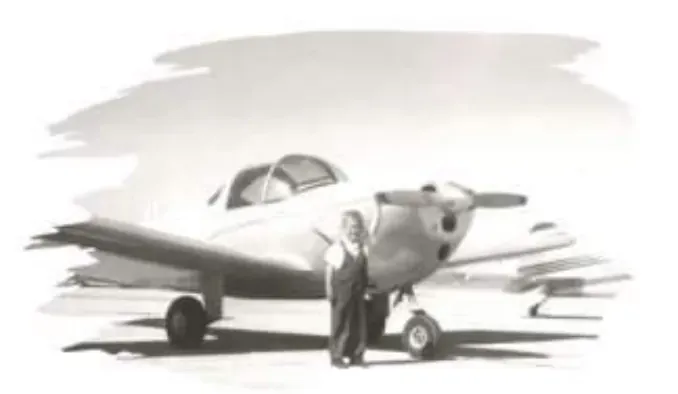
Ray was born into an aviation family. His father was a troop glider pilot who met his mother at Avenger Field in Sweetwater, Texas where she was receiving training as a Woman Air Service Pilot. After the war, Ray’s dad always had a single engine airplane. Ray would fly with him every chance he got.
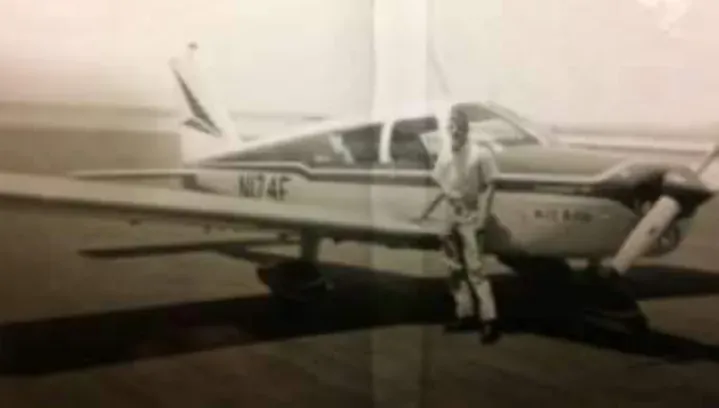
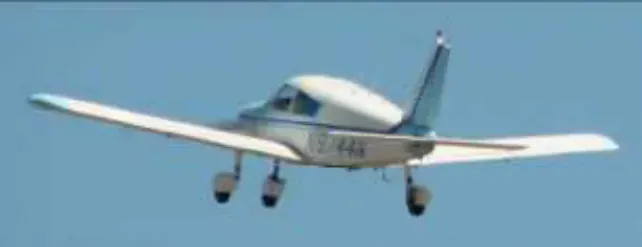
Ray learned to fly in a rented Piper Cherokee 140 and could fly by himself (soloed) on his 16th birthday before he could drive himself (driver’s license). During college, Ray flew his father’s 1969 Piper Comanche C and received his instrument rating, commercial and certified flight instructor licenses. Ray owned the Piper Comanche after his dad’s passing and flew it for over 10 years, most of those in Alaska.
In 1977, Ray began his career as an Air Traffic Controller with the FAA at the Cutbank, Montana Flight Service Station. For the next 34 years, Ray worked for the FAA in various facilities. He worked in two flight service stations, five airport traffic control towers three radar approach controls, one air route traffic control center, two regional offices, and FAA National Headquarters in Washington, D.C. During this time, Ray was flying his own airplanes. He also flew as a Part 135 Air Taxi Pilot part time while living in Bethel and Fairbanks, Alaska. Ray flew various single and multi- engine aircraft for over 10 years in Alaska.
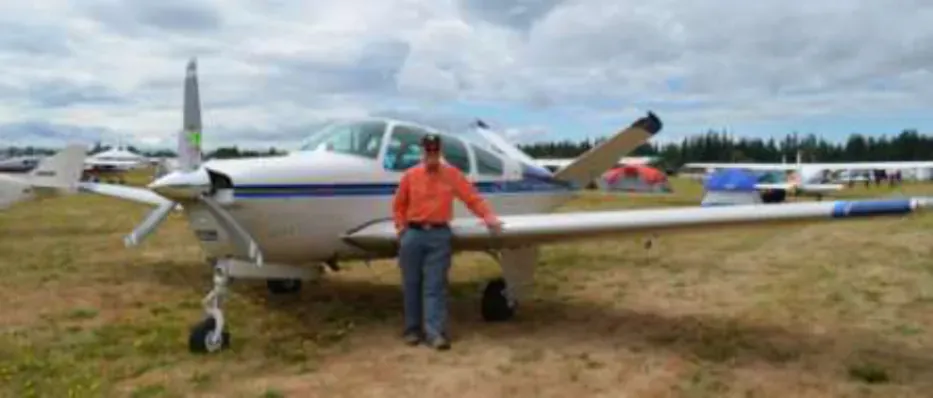
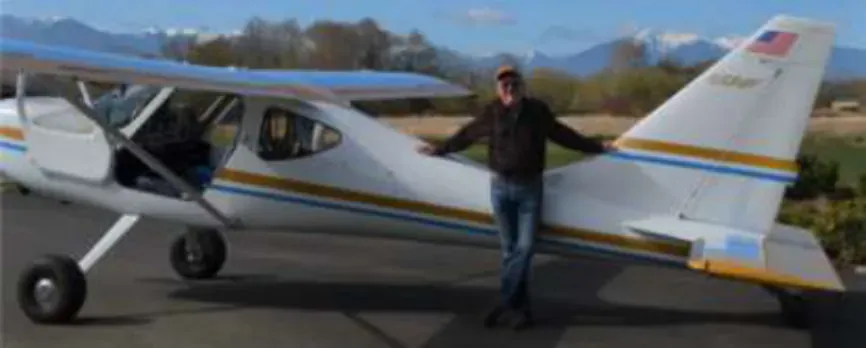
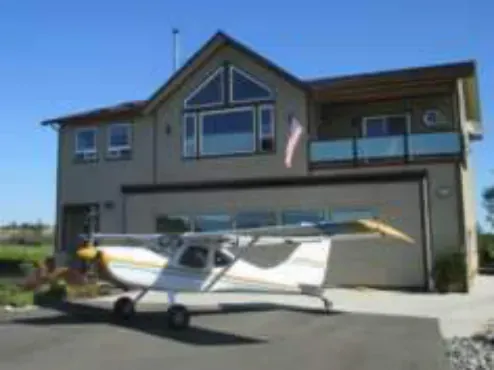
After leaving Alaska in 1999, Ray was a part owner in a Beechcraft Bonanza S-35 before purchasing his GlaStar GS-1 in 2009.
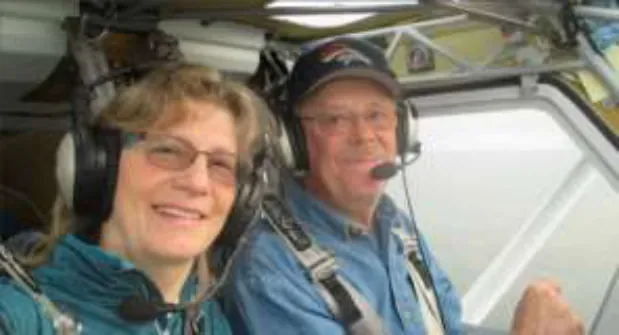
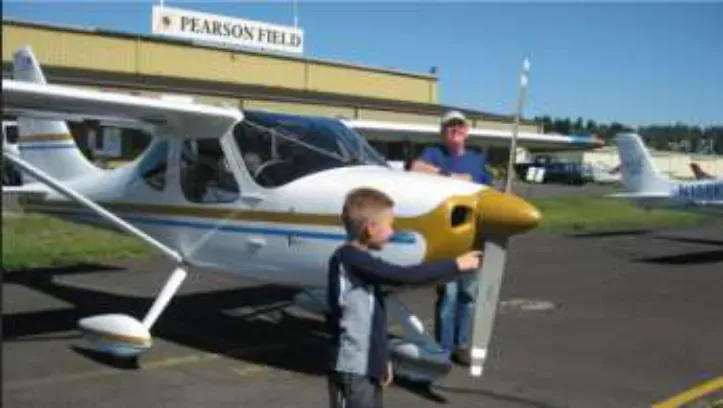
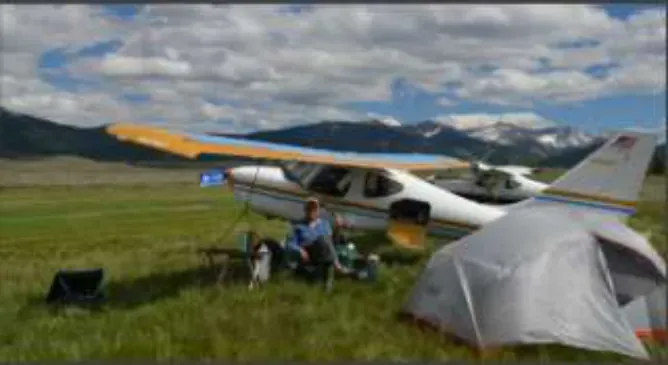
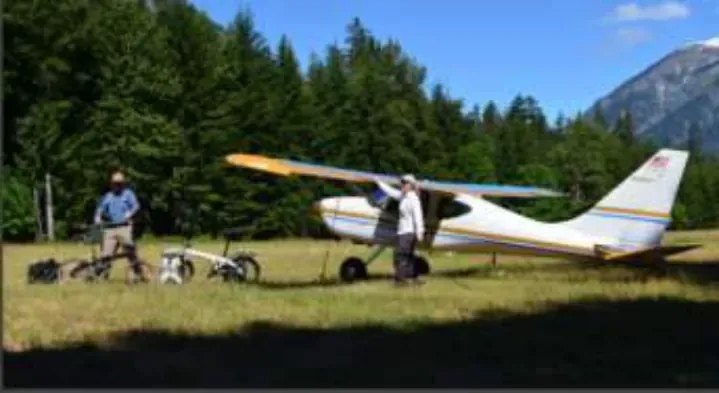
Ray has modified the GlaStar with conventional gear and large tires to accommodate his love of flying into many of the backcountry airstrips in Washington, Oregon, and Idaho. It is a summer passion and begins as soon as the snow clears.
Ray was a rookie pilot with less than 100 hours when I started flying with him in 1973. Today he has accumulated over 3025 hours of flight time without an accident, incident, or violation.
Ray’s passion for aviation is expressed through his encouragement, recognition and honoring of deserving employees, friends, and family. He enthusiastically shares his love of aviation with everyone and especially has a heart for the next generation of fliers.
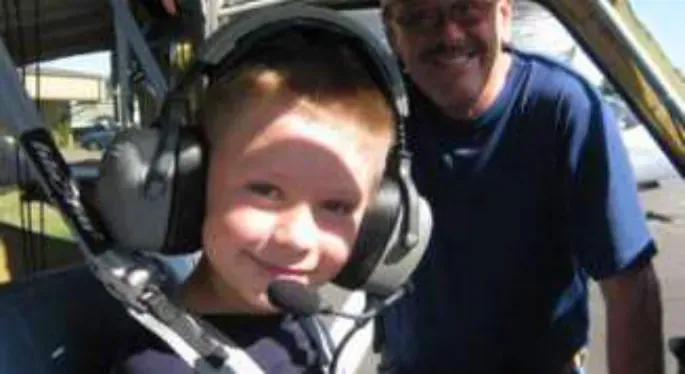
Children are drawn to airplanes and Ray will take the time – no matter where - to let them sit in the plane telling them the joys of flying and letting them touch things.
He is an avid participant in the Young Eagles program of EAA and has given 43 flights. He is an encourager to pilots of all ages to fly their dreams and fulfill those bucket list items. He is a strong advocate for education and works to encourage pilots to continue learning about their aircraft and the environments in which they fly. Ray exemplifies all the Wright Brothers Master Pilot Award implies.
More photos
 (opens a larger view)
 (opens a larger view)
 (opens a larger view)
 (opens a larger view)
 (opens a larger view)
 (opens a larger view)
 (opens a larger view)
 (opens a larger view)
 (opens a larger view)
 (opens a larger view)
 (opens a larger view)
 (opens a larger view)
 (opens a larger view)
 (opens a larger view)