 EAA Chapter 430
The “Special” Specialists
Open the PDF at page 6 See the whole November 2024 issue
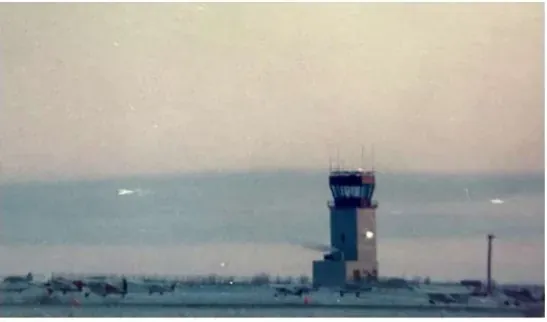
In today’s world of category III approaches, conflict alert, and airport surface radar, it may seem antiquated or even backward to consider a tower conducting most of its instrument operations through special VFR (SVFR) clearances without any form of radar whatsoever. However, the people at Bethel Tower prefer to think of it as ATC at its grassroots,
Bethel is located on the western coast of Alaska near the Bering Sea and serves as the hub for more than 65 villages on the Yukon-Kuskokwim delta — an area about the size of Oregon. Bethel Tower is a Level I, non-approach control tower that controls the aircraft that serve this large area where there are literally no roads, and all goods and supplies must be transported by air or sea. During the long winter months, the Kuskokwim River freezes thick enough to support snow machines, cars, and even 18 wheelers. Some commodities are transported as far as 80 miles on this frozen waterway, which is plowed by local communities, and the state of Alaska, and has a speed limit of 55 mph.
During the spring break up and fall freeze up, the river is unusable for transportation, leaving air service as the only alternative. The weather at this time is typically low clouds and low visibilities requiring SVFR clearance to operate in the control zone (now Class D). This combination of events often creates busy days for the five specialist and manager of the tower.
Bethel Tower is the fifth busiest tower in the Alaskan region. Averaging close to 85,000 operations a year, the airport meets Phase I of the qualifying criteria for a terminal radar and Tower Cab display. The project is in the budget cycle, however funding has not yet been obtained. So the best piece of equipment to identify aircraft from the tower at this time is a good pair of binoculars.
Because Bethel’s weather is directly influenced by the Bering Sea, and the terrain surrounding Bethel is virtually flat wetland tundra for 65 miles, it is not uncommon for stratus clouds below 1000 feet above the ground to roll in and stay for days or even weeks at a time. Visibility varies with the type of weather system, but often remains good below the low overcast.
Single engine aircraft are primarily used by the 10 air taxi operators in Bethel, because most of the village air strips are gravel runways less than 3000 feet long. Flights conducted when the weather is below VFR minima are accomplished with SVFR clearances in the control zone, because single engine IFR operations by an air taxi aircraft are basically prohibited by FAR135.
For these reasons, Bethel Tower probably works more SVFR operations than any other tower in the system. It is not uncommon to issue over 150 clearances in one day, and over 7000 have been issued in a year. The tower is given control of the Bethel control zone for conducting SVFR operations through a letter of agreement with Anchorage ARTCC. By employing visual separation (seeing the aircraft and issuing instructions to ensure separation), instructing pilots to maintain visual separation from aircraft they report insight, using altitude separation from departing IFR aircraft, and of course, the time honored one—in—one—out principal, SVFR operations are conducted in a safe and efficient manner.
With these separation tools, Bethel’s special specialists go to work keeping the aircraft that deliver everything from cokes and pampers to the kitchen sink, moving smoothly and efficiently. Once you get used to it, it’s kind of nice to get back to the basics.
The SVFR Regulations require at least one statute mile flight and ground visibility and to remain clear of clouds in the day. SVFR is allowed at night with IFR rating and equipment. Pilots must request a SVFR clearance. The controller cannot suggest it.
As a postscript; Bethel ATCT requested and received a waiver from FAA Headquarters to conduct quadrant separation for departing SVFR traffic, allowing several aircraft in the zone at one time. To my knowledge that waiver expired when BET ATCT became a contract tower, never to be renewed.